

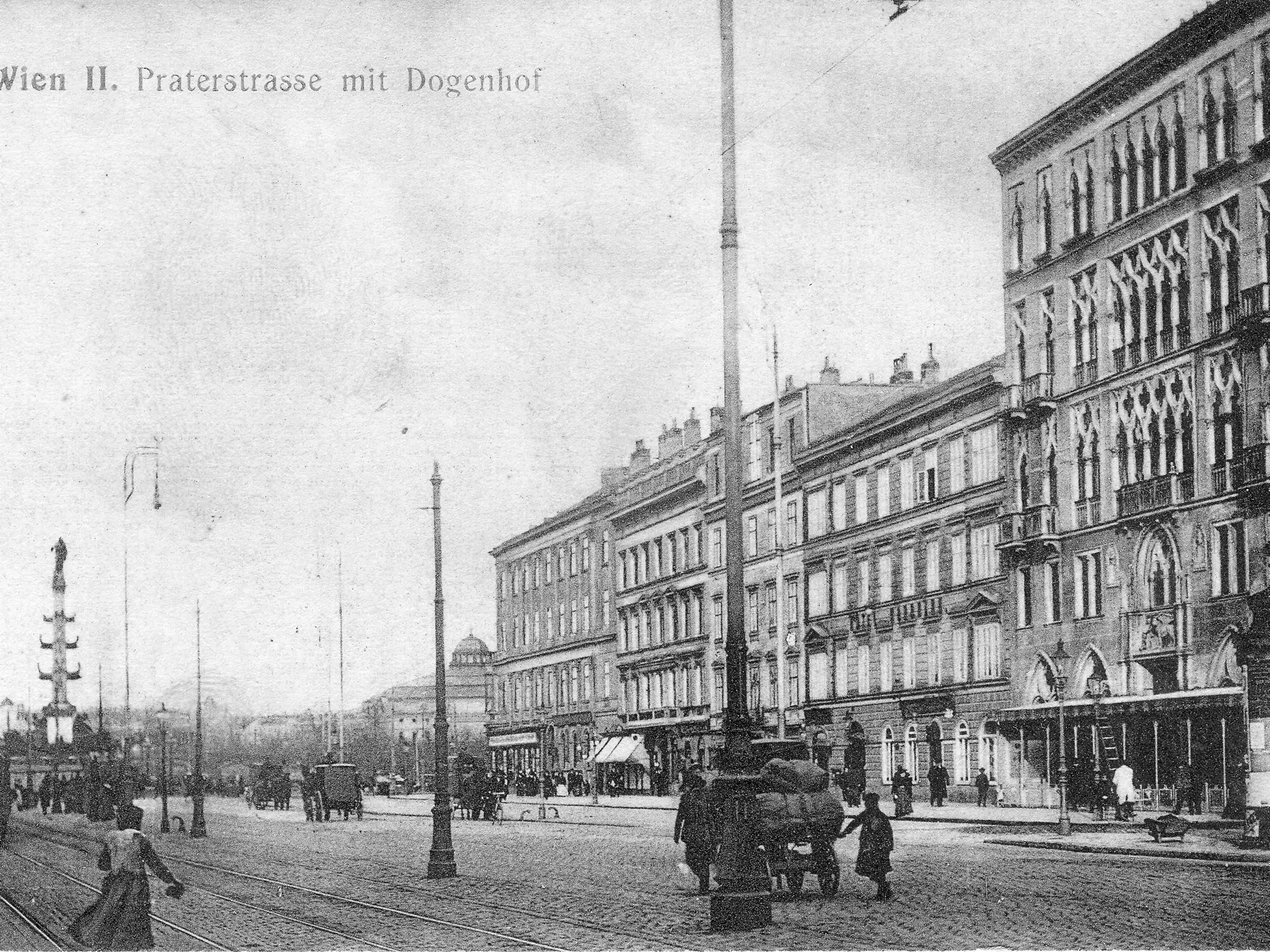
History of the Austria Classic Hotel Vienna
The Austria Classic Hotel Vienna opened in 1838 under the name “Hotel Nordbahn” in Vienna’s 2nd district. For nearly 200 years, our historic hotel in Vienna has been synonymous with a perfect blend of professional service and warm, personal hospitality.
Even back then, the hotel was very popular with travelers to Vienna thanks to its convenient location in Leopoldstadt. Today, our guests enjoy the proximity to Vienna’s Prater and the city center. The family that owns the hotel has upheld the same commitment for generations: Everyone who steps into our hotel in Vienna is welcomed as a friend.
A tradition featuring prominent guest
The long history of our hotel in Vienna is evident in its hallways and lounges. Historic views of the building on Vienna’s Prater tell the story of nearly two centuries of hotel tradition. On May 10, 1988, the world-famous film composer Max Steiner—known for the music in *Casablanca* and over 300 Hollywood productions—was born at the Austria Classic Hotel Vienna. The Polish poet and artist Stanisław Wyspiański was also a guest at our historic hotel in Leopoldstadt.
To this day, we combine history, quality, and Viennese hospitality in a family-run hotel in the heart of Vienna.
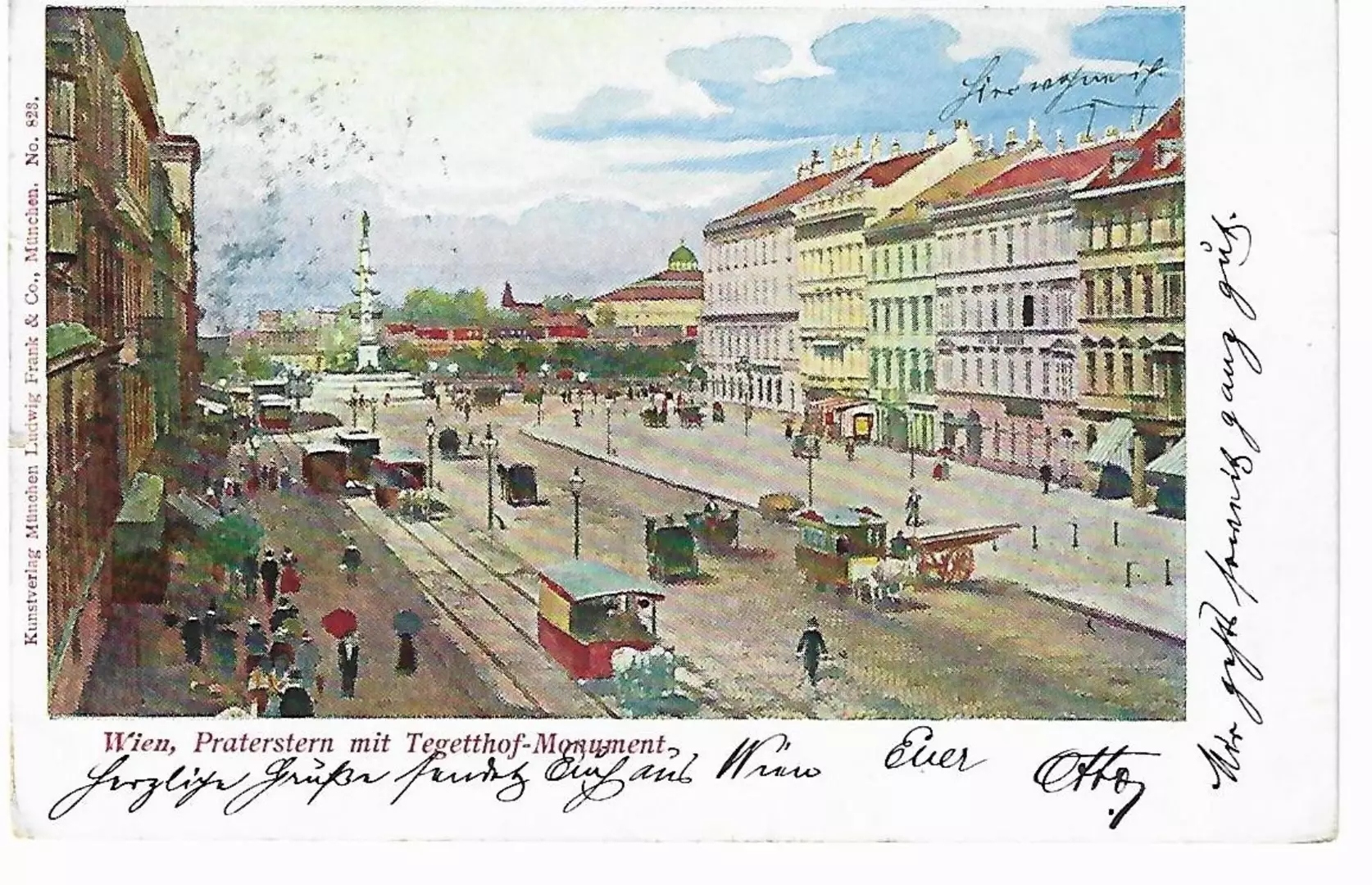
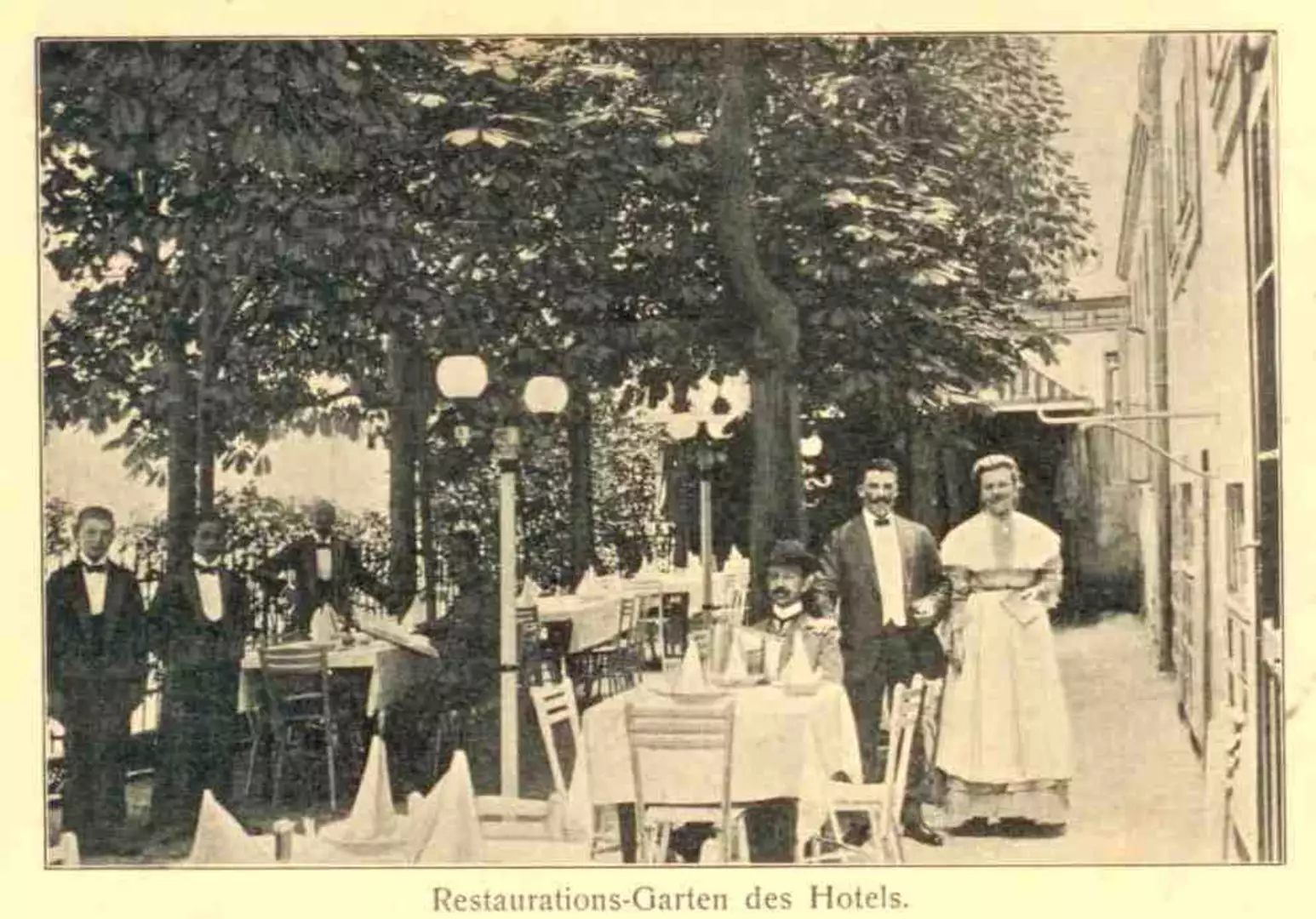
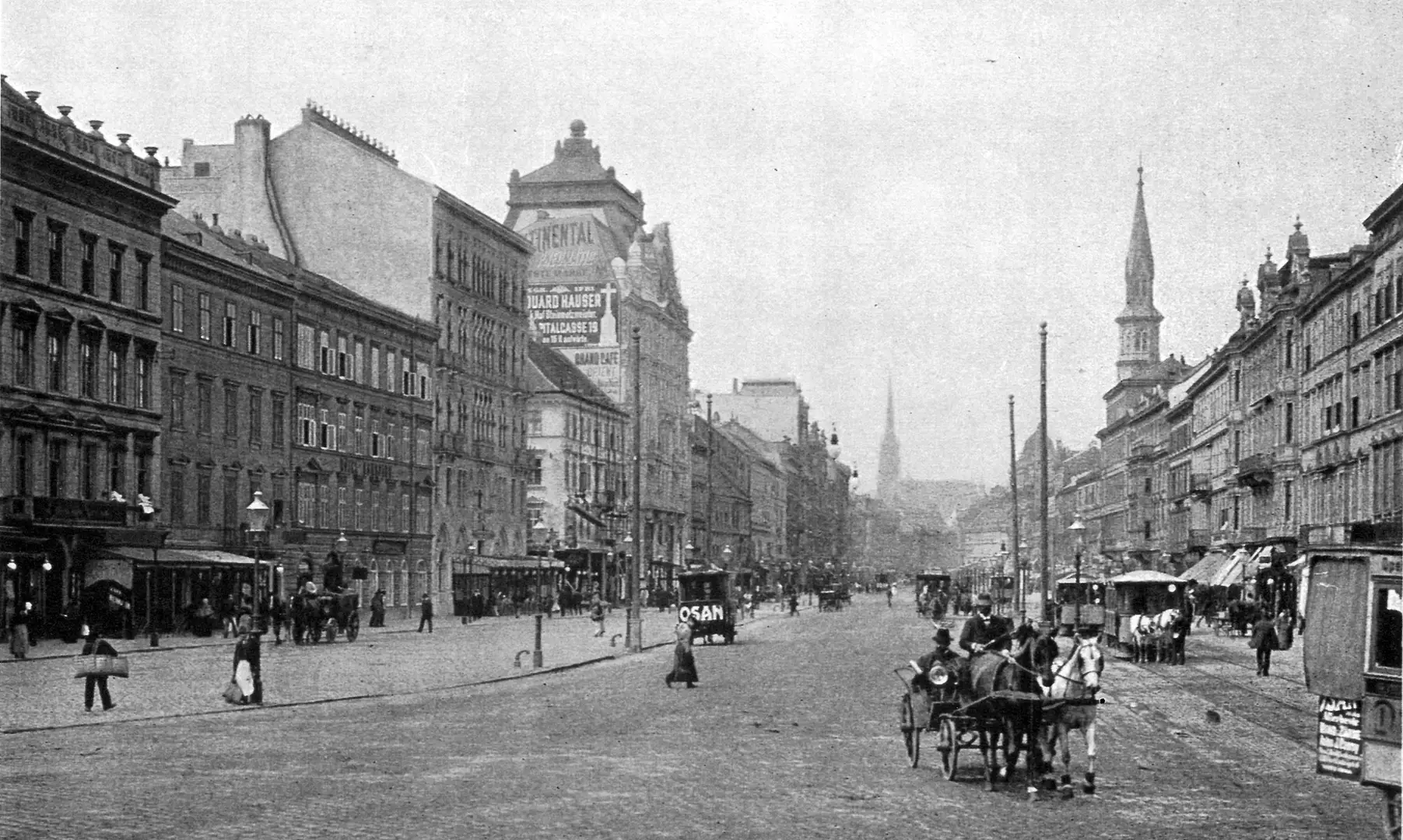

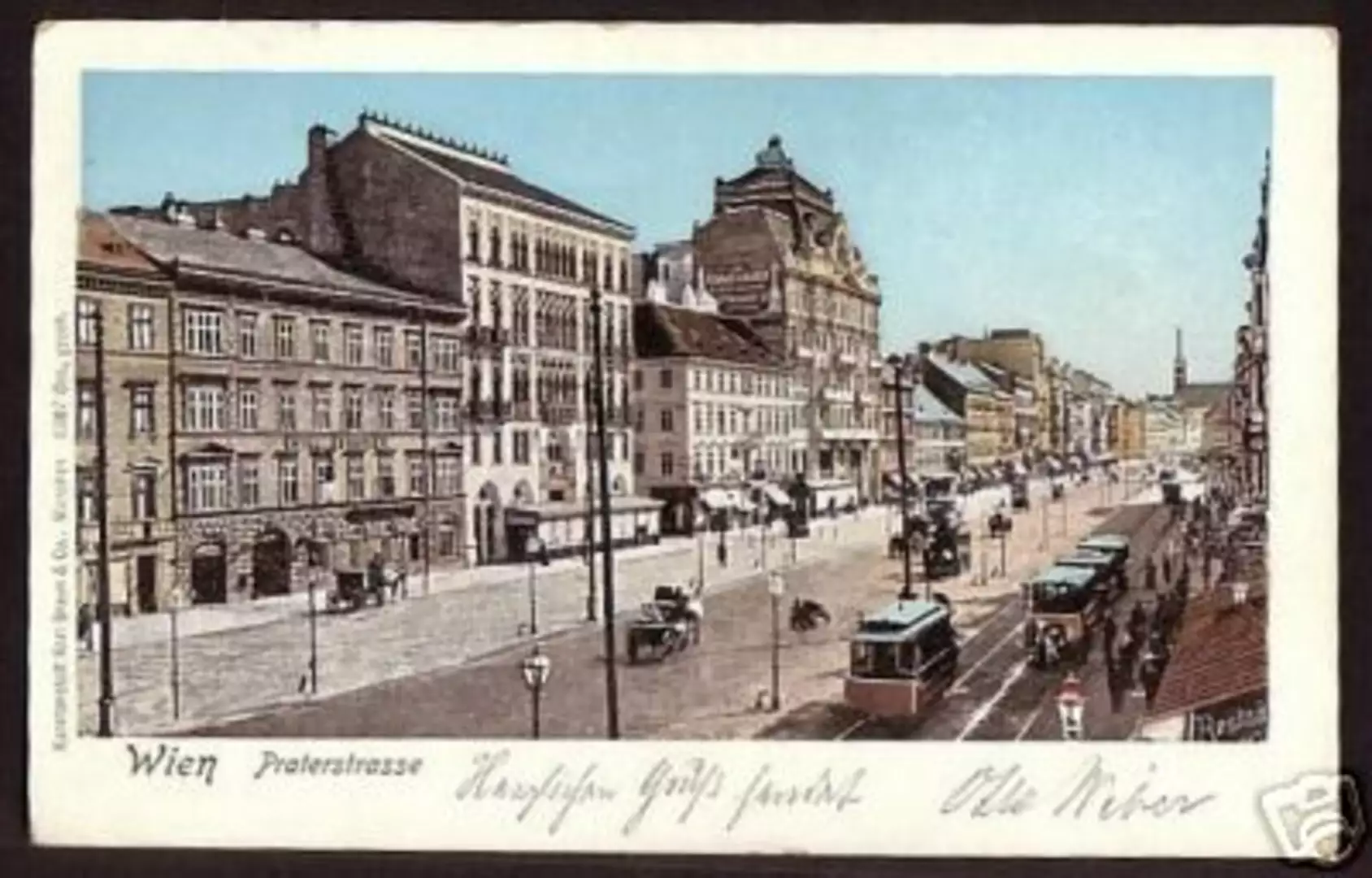
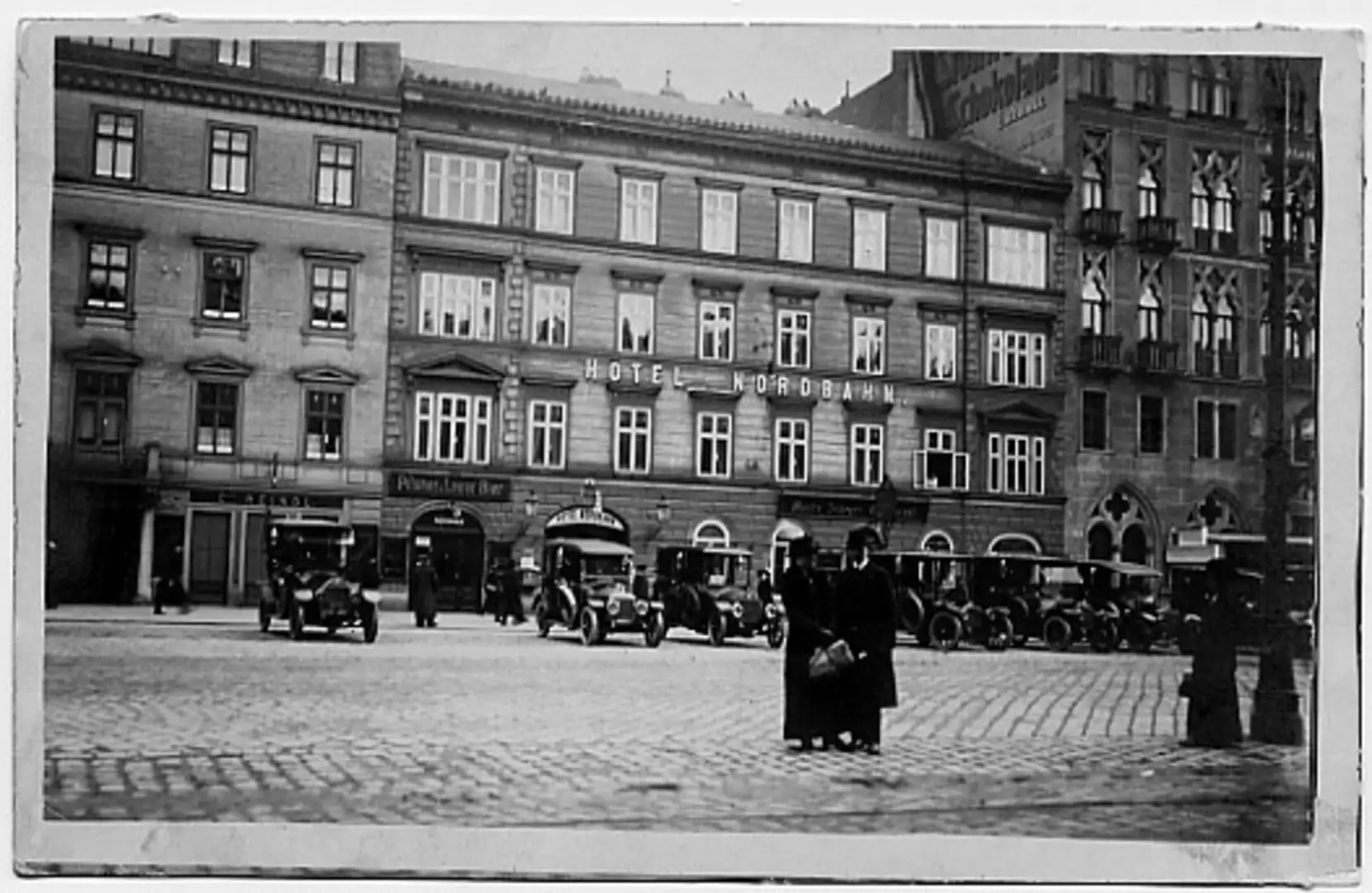
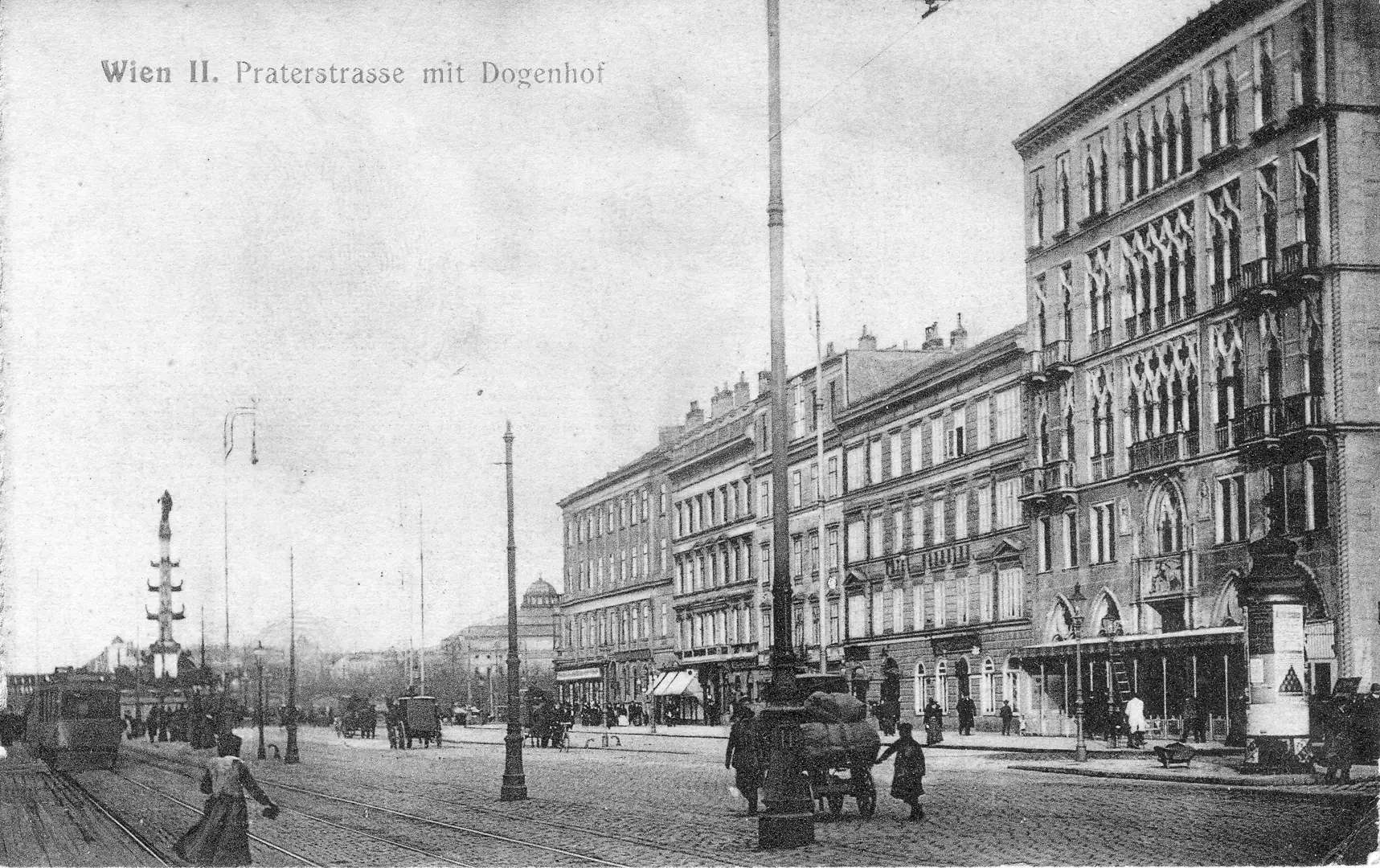
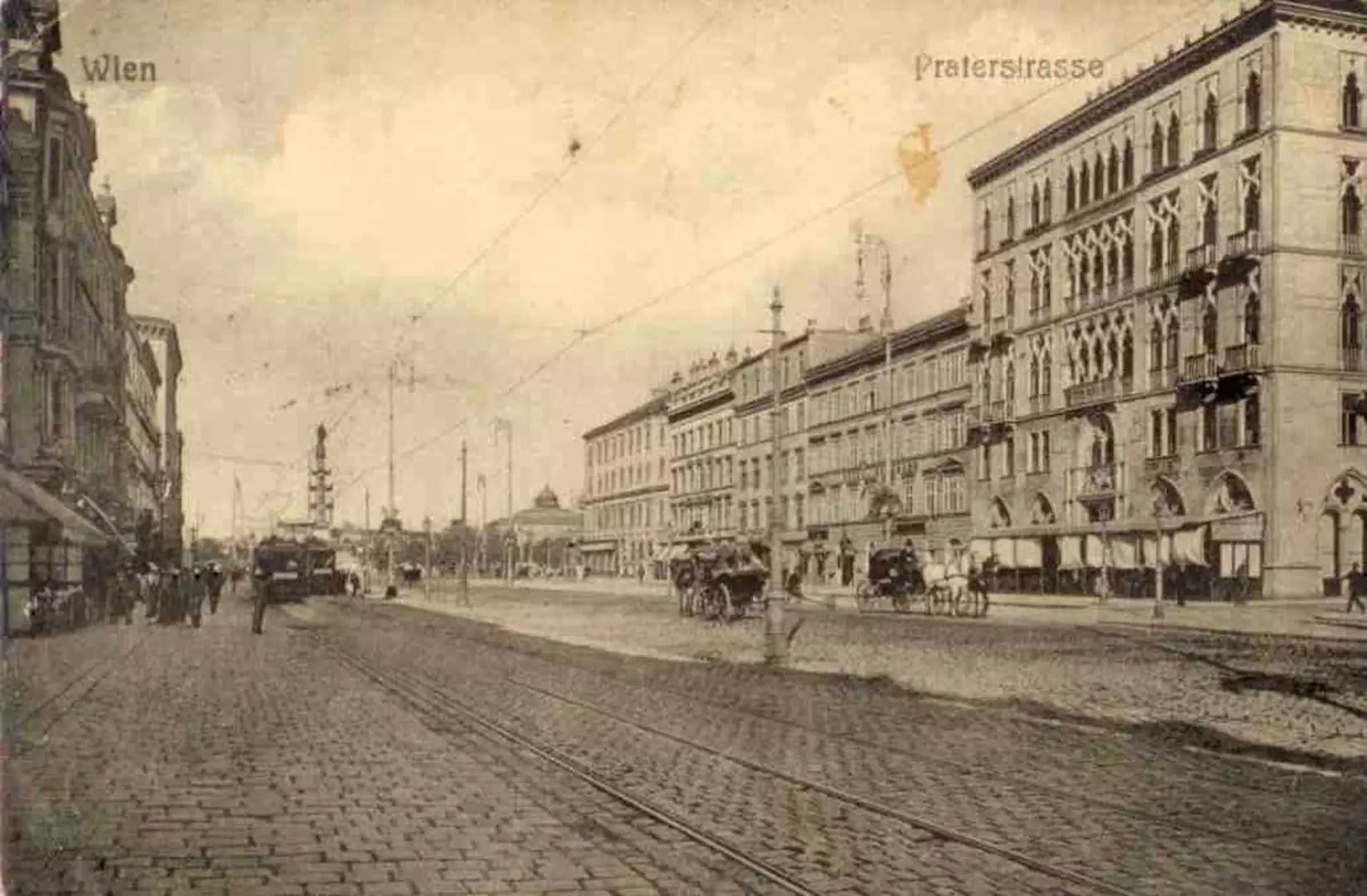
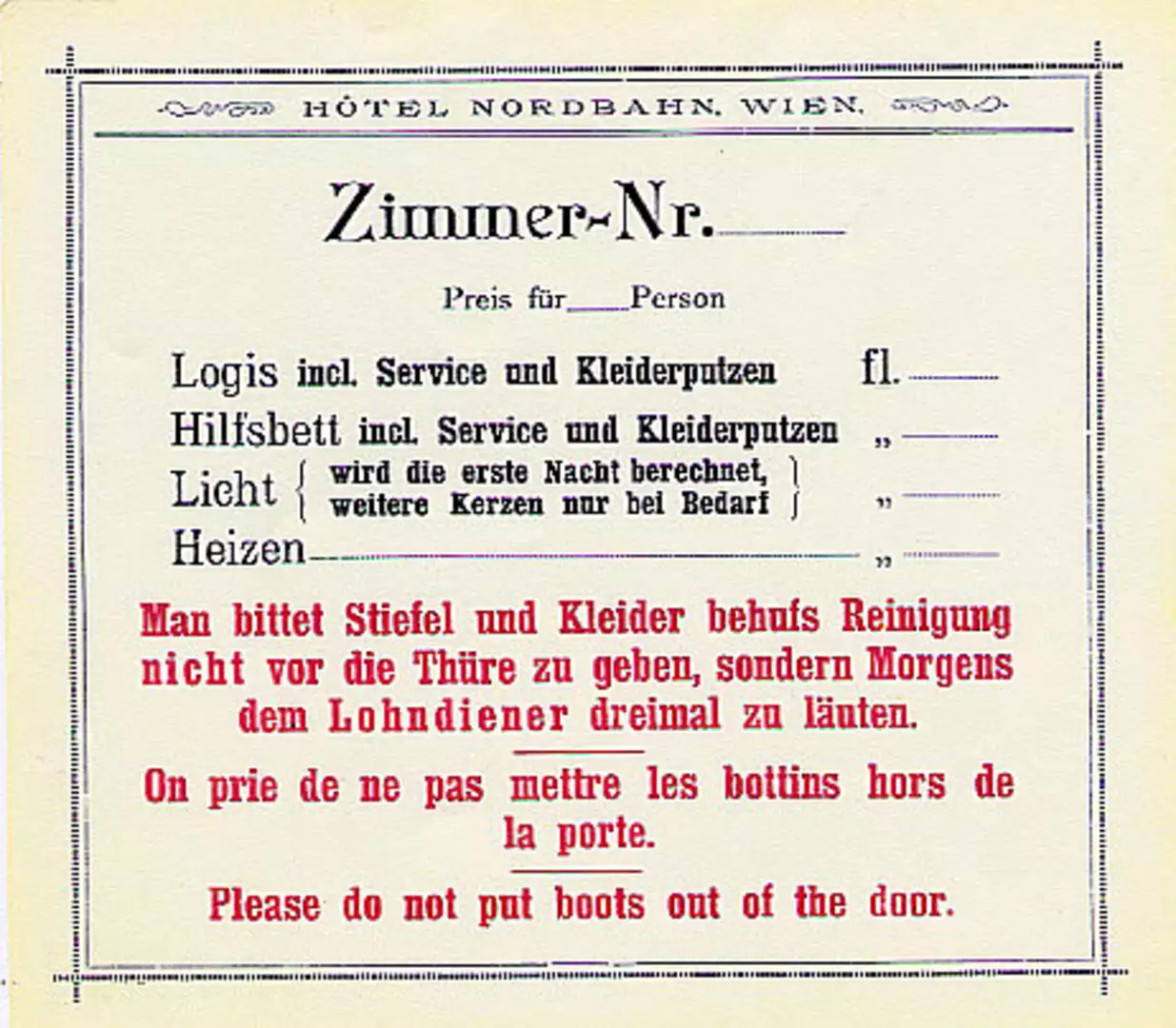
A Timeline of the Austria Classic Hotel Vienna
1808
Construction of the main building “Zum schwarzen Tor” (at the time only two stories) at Praterstraße 72, which was called “Jägerzeile” until 1862, as a residence for Mr. Peter Danhauser.
1837
Opening of the “Kaiser-Ferdinand-Nordbahn,” Austria’s first steam railway, and the first station building on Nordbahnstraße (during the Austro-Hungarian Empire, the Nordbahnhof was one of Europe’s most important railway stations until 1918).
1838
The main building was expanded to three stories, and the “Hotel Nordbahn” was opened by Mr. Josef Johann Scheiflinger, son-in-law of Mr. Peter Danhauser; since then, the hotel has been owned by the Scheiflinger family and their descendants.
1849
The two side wings in the inner courtyard were added.
1866
Battle of Königgrätz during the German War on July 3; defeat of the Austrians by the Prussians; the army’s high command established itself at the “Hotel Nordbahn” until its dissolution.
1868
The hotel was taken over by Josef Peter Scheiflinger, son of Josef Johann Scheiflinger.
1888
Maximilian Raoul Walter “Max” Steiner was born on May 10 at the hotel. Max Steiner was an Austrian composer who later became a U.S. citizen. He is considered one of the most successful and influential film music composers in cinema history and is often referred to as the “father of film music.” He was nominated for an Oscar a total of 24 times and won the award three times. His scores for *Gone with the Wind*, *King Kong*, *Casablanca*, and *A summer place* are particularly famous. In 1933, in King Kong, he set dialogue to music for the first time in film history—a milestone in the genre. You can find more information about Max Steiner in our bar named after him, “Max Steiner,” as well as in the breakfast room.
1904
Stanisław Wyspianski stayed at the hotel in August; a Polish playwright, poet, and visual artist from Kraków, member of the Vienna Secession artists’ association; see the commemorative plaque on our building’s façade.
1908
The hotel was taken over by Mr. Felix Scheiflinger, Commercial Councilor and Civil Engineer, long-time chairman of the Vienna Hotel Association, son of Mr. Josef Peter Scheiflinger.
1944 - 1945
Severe damage and partial destruction of the building during World War II
1945 - 1955
Hotel under Russian administration; partial renovation of the hotel.
1955
Mr. Felix Scheiflinger, Commercial Councilor and DI, resumed management of the hotel; further investments were made in the restoration of the building.
1961
The hotel was taken over by Ms. Erika Blumauer, daughter of Mr. Felix Scheiflinger, Commercial Councilor and DI.
1973
Mr. Reinhard Blumauer, Mag., son of Ms. Erika Blumauer, took over management of the hotel.
1973–1988
Major annual investments in the hotel’s infrastructure.
1988
Unveiling of a commemorative plaque for film music composer Max Steiner by the then Mayor of Vienna, Dr. Helmut Zilk.
1990
Hotel expansion with additional rooms and enlargement of the breakfast room with a terrace.
2009
Hotel expansion with new premium rooms through the construction of an annex and the reconstruction of a wing of the building destroyed during the war.
2010
Ms. Ines Pietsch, daughter of Mr. Reinhard Blumauer, takes over management of the hotel.
2014
The hotel is fully air-conditioned.
2016
12 additional rooms are refurbished and renovated.
2017
Redesign of the breakfast buffet and expansion of the breakfast room. In addition, the hotel lobby and reception area were redesigned, and additional rooms on the first floor were renovated.
2018
Opening of the new “Max Steiner” bar, dedicated to the famous film music composer Max Steiner, who was born in 1888 at the Austria Classic Hotel Vienna. Redesign and technical upgrade of the seminar room for exclusive seminars and block-style meetings.
2019
Various room modifications and renovations in the right wing of the second floor.
2020
Various room modifications and renovations in the left wing of the first and second floors.
2020 - 2023
The COVID-19 pandemic posed immense challenges for the hotel. During this time, the hotel was completely closed for many months, and all employees were able to remain employed under a reduced-hour work arrangement. Thanks to support from the Austrian government and the owner family’s prudent financial management, operations were maintained and the hotel was able to weather this difficult period.
2024
Extensive renovation of the nearly 200-year-old main building: rooms refurbished, attic insulated, new soundproof windows, and renovation of the facade and plumbing—with a focus on energy efficiency. Application for the Austrian and European Ecolabels—proudly awarded in the fall of 2024.
The breakfast menu was also made more sustainable: more regional suppliers, more organic products, and a wider selection.
2025
Installation of a new photovoltaic system on the roof of the inner courtyard—another step toward energy independence and environmental protection. Awarded the 4th star—a significant milestone for our hotel. Redesign of the fitness and relaxation room, as well as the in-house workshop and staff locker room.
Vision for the future
As a newly classified 4-star hotel, our goal is to continuously improve the Austria Classic Hotel Wien in order to better meet the growing expectations of our guests. Sustainability remains a central component of our philosophy: With the Austrian and European Ecolabels we have already been awarded, as well as the photovoltaic system installed in 2025 on the roof of the inner courtyard, we have achieved important milestones—among other things, this allows us to power the air conditioning systems with clean energy in the summer.
In the future, we aim to further enhance the quality of our service, operate in an even more resource-efficient manner, and invest in targeted improvements—such as the renovation of our two terraces and green spaces.
Ines Pietsch and the entire team at the Austria Classic Hotel Wien look forward to offering exceptional comfort as the sixth generation of the family—with our sights already set on the seventh!